Lemon zest is where most of the lemon flavour actually lives. The juice brings sour. The zest brings the perfume, the bitter-sweet oil that makes a pasta or a cake taste like lemon instead of just tasting sharp. And getting zest off a lemon cleanly, without the bitter white pith underneath, is exactly the job a rasp grater was built for.
Cooks call it a Microplane whatever the brand on the handle, the way people say Hoover. The original is still the one to buy.
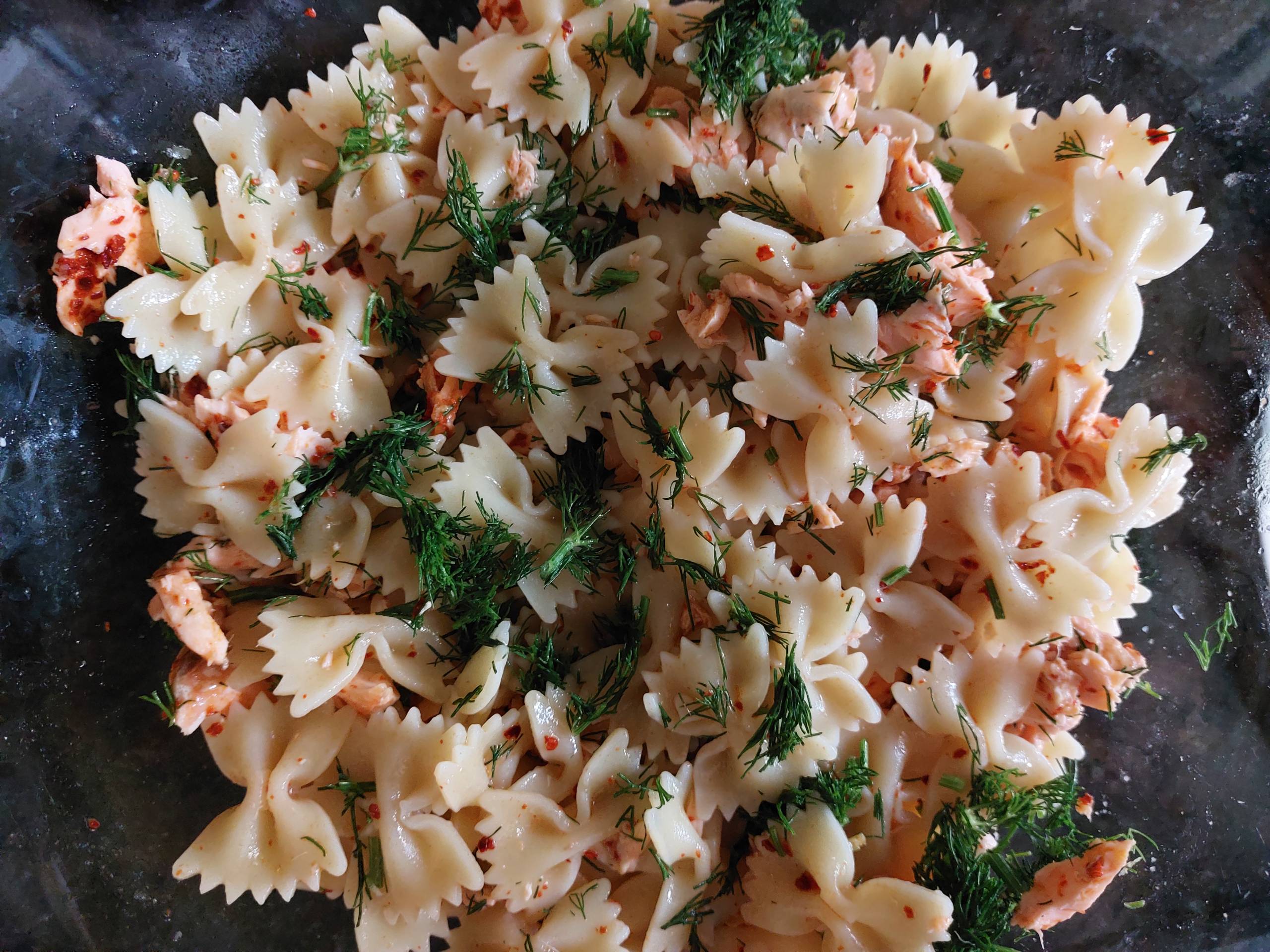
Our lemony salmon farfalle with chili flakes and dill is a good example of why. The zest goes in at the end and it’s what makes the dish.
A Woodworking Tool That Moved Indoors
The Microplane started out in an Arkansas workshop as a rasp for shaping wood. The teeth aren’t stamped or punched like an old box grater. They’re photo-etched, chemically cut into the steel so each one has a sharp edge, and they slice rather than tear. Sometime in the 1990s cooks noticed what that does to citrus peel, and the company redesigned it for kitchens.
Sharp teeth matter for two reasons. You take off only the thin coloured layer of zest with a light stroke, so you don’t dig into the pith. And the shreds are so fine they melt into a dish instead of sitting in it as chewy bits.
What It’s Good For Beyond Lemons
Once it’s in the drawer you’ll reach for it constantly.
Hard cheese is the obvious one. Parmigiano or pecorino grated on a rasp comes out as a light, fluffy pile that melts into hot pasta straight away. It also looks like more cheese than it is, which is a nice trick on a weeknight.
Garlic and ginger turn into a paste in seconds, with no garlic press to clean afterwards. Whole nutmeg grates straight over a béchamel. Dark chocolate goes over a dessert in fine curls. Even a whole cinnamon stick, if you’re patient.
Which Model to Buy
The Microplane Classic Zester Grater is the long, narrow one with the plastic handle. It costs around $15 and it’s the one to start with. The long blade sits across a bowl or a board so you can grate onto it with one hand.
The Microplane Premium Classic has the same blade with a soft-grip handle. It’s a few dollars more and nicer to hold for a big pile of cheese.
If you grate a lot of cheese, add the Microplane Gourmet Series Coarse Grater, which has bigger teeth for cheddar, carrots and potatoes. For nutmeg and cinnamon there’s the small Microplane Spice Grater, though the classic one handles spices fine.
The main alternative is the OXO Good Grips Etched Zester, which has a wider blade and a cover. It works well. The Microplane is still the one most chefs keep in their knife roll.
How to Zest Properly
Hold the grater still and move the lemon, not the other way round. Use light pressure and turn the fruit as soon as you see white. Grate in one direction, with the teeth, since dragging backwards does nothing but dull the edges.
Flip the grater over so the zest collects on the top of the blade instead of falling through underneath. Then scrape it off with a finger. You’ll waste less, and you can see how much you have.
Look After the Teeth
It’s dishwasher safe, but the edges stay sharp longer if you rinse it straight after use and brush it in the direction of the teeth. Don’t wipe it across with a sponge, which snags and shreds the sponge. Keep the plastic cover on in the drawer.
A good one lasts years. When it finally goes dull, buy another one. At this price, it’s still the best value in the kitchen.
As an Amazon Associate I earn from qualifying purchases.